
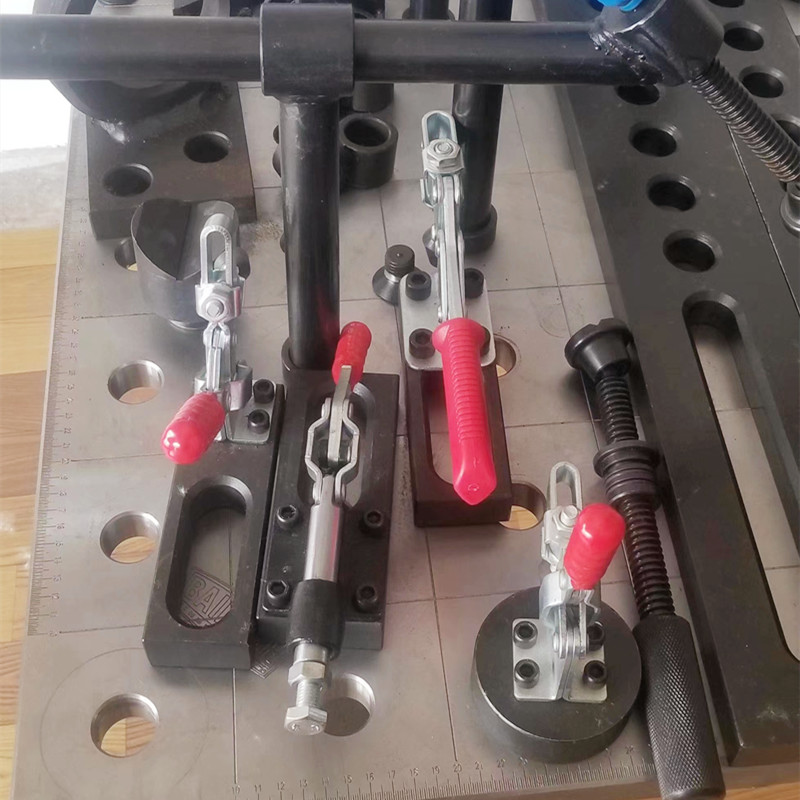
flat float glass
The Importance of Open Water Valves in Modern Infrastructure Water is one of the most essential resources for human survival, playing a crucial role in agricultural, domestic, and industrial applications. As cities grow and technology advances, the management and distribution of water have become increasingly complex. Among the critical components of water management systems are open water valves, which serve as the lifelines to ensure that water flows where it is needed, when it is needed. Open water valves are mechanical devices that regulate the flow of water in pipes and other water distribution systems. These valves can be either manually operated or automated and are found in various settings, including municipal water supply networks, irrigation systems, and industrial processes. Their primary purpose is to control water flow, allowing for the distribution of this vital resource to various areas. One of the primary advantages of open water valves is their ability to facilitate efficient water management. In urban environments, municipalities face the challenge of providing clean and reliable water to thousands, if not millions, of residents. Open valves enable efficient distribution, preventing wastage and ensuring that every household receives its fair share of water. Moreover, they allow for quick adjustments in response to fluctuating demand, whether it be due to seasonal changes, population growth, or infrastructure developments. In agricultural settings, open water valves are instrumental in optimizing irrigation practices. Farmers often rely on controlled water delivery to their crops, as excess or insufficient water can drastically affect yield . By utilizing open valves, farmers can regulate the flow of water to different sections of their land, ensuring that every plant receives adequate hydration without overwatering. This not only conserves water but also promotes healthier crops and sustainable farming practices. open water valve Automation has revolutionized the functionality of open water valves in recent years. Smart water management systems use sensors and real-time data analytics to monitor water flow, pressure, and quality. Automated valves can respond to changes in demand inadvertently, adjusting flow rates and conserving resources. These technological advancements have led to improved efficiency and reduced operational costs for water utilities while minimizing the risk of leaks and water loss. However, the open water valve system is not without its challenges. Regular maintenance is crucial to ensure that these valves function correctly. A neglected valve can lead to leaks, reduced water pressure, and even contamination of the water supply. Municipalities and utilities must invest in routine inspections and repairs to maintain the integrity of their water distribution systems. Additionally, natural disasters such as floods or earthquakes can severely impact the functionality of open water valves, leading to catastrophic water loss or destruction of essential infrastructure. Public awareness and education are also vital components in supporting the management of open water valves. Communities can play a proactive role by reporting leaks, understanding water conservation practices, and participating in local water management initiatives. By encouraging residents to engage with their water supply systems actively, municipalities can foster a culture of responsibility and sustainability. In conclusion, open water valves are essential elements in the effective management of water resources. They provide a mechanism for controlling flow, ensuring equitable water distribution in urban and agricultural settings, while technological advancements promise enhanced efficiency through automation. However, ongoing maintenance, community engagement, and education are vital to addressing the challenges associated with these critical components of our water infrastructure. As we continue to navigate a future where water scarcity becomes an increasing concern, the role of open water valves will undoubtedly be integral to our strategies for sustainable water management.
about
flat float glass
The Significance of DN80 Gate Valves in Industrial Applications Gate valves are critical components in various industrial applications, serving as essential mechanisms for controlling the flow of liquids and gases within pipelines. Among the different sizes and types of gate valves, the DN80 gate valve holds particular significance due to its versatile capability and reliability in numerous settings. What is a DN80 Gate Valve? The designation DN80 refers to the nominal diameter of the valve, which measures 80 millimeters. This specification is part of a standardized system for measuring valve sizes, allowing for consistent communication and compatibility across different manufacturers and applications. Gate valves, including the DN80 variant, are characterized by their ability to provide a straight flow path, minimizing pressure drops and turbulence, which is vital for maintaining efficient operations in fluid management. Design and Functionality The design of a DN80 gate valve includes a wedge-shaped gate that moves vertically within the valve body. When the valve is fully opened, the gate is completely out of the flow path, allowing for minimal resistance to the fluid passing through. This design makes gate valves particularly suitable for applications where the flow needs to be either fully on or fully off, rather than throttled or regulated. Typically made from materials such as cast iron, stainless steel, or brass, DN80 gate valves are chosen based on the specific requirements of the application, including pressure rating, temperature tolerance, and the chemical nature of the fluid being controlled. The sealing surfaces of the gate are often coated with resilient materials to improve durability and longevity while minimizing the risk of leakage. Applications of DN80 Gate Valves DN80 gate valves are widely used across various sectors, including gate valve dn80 1. Water Supply and Wastewater Treatment In municipal water systems, DN80 gate valves control the flow of water in distribution networks. Their ability to provide a tight seal and prevent backflow is crucial in maintaining water quality and supply. 2. Oil and Gas In the oil and gas industry, DN80 gate valves are employed in pipelines and processing facilities to isolate sections for maintenance. Their robust construction is suitable for handling high-pressure and corrosive substances, making them indispensable in this sector. 3. Chemical Processing Given their ability to handle aggressive chemicals, DN80 gate valves find applications in plants where large volumes of chemical reactions occur. Their reliable sealing capabilities help prevent leaks and ensure safety in potentially hazardous environments. 4. HVAC Systems In heating, ventilation, and air conditioning (HVAC) systems, DN80 gate valves are utilized to control the flow of air and fluids. Their durable design and reliable performance make them suitable for both residential and industrial HVAC applications. Benefits of Using DN80 Gate Valves One major advantage of DN80 gate valves is their longevity and low maintenance requirements. When properly installed and maintained, these valves can operate effectively for many years, which reduces the need for replacements and repairs. Furthermore, their simple design allows for easy operation, even in challenging environments. Additionally, DN80 gate valves can be equipped with various actuation options, including manual handles, electric actuators, or pneumatic systems, providing users with flexibility in operation according to their setup's needs. Conclusion In conclusion, the DN80 gate valve is a fundamental element in many industrial settings, offering reliable flow control for liquids and gases. Its robust design, versatility across applications, and ease of maintenance make it a preferred choice among engineers and industry professionals. The importance of investing in high-quality DN80 gate valves cannot be overstated, as they contribute significantly to the efficiency and safety of various processes. Whether in water treatment, oil and gas, chemical processing, or HVAC systems, DN80 gate valves continue to play a crucial role in supporting infrastructure and operational excellence across industries.
-

High quality industrial productsagement

High quality industrial products
View Details -

Meet the diverse needs of customers

Meet the diverse needs of customers
View Details -

Strict quality control

Strict quality control
View Details -

Top raw materials

Top raw materials
View Details -

Trusted supplier

Trusted supplier
View Details
Our application

news and information
v block design
Exploring the V-Block Design A Revolutionary Approach in Architecture In the ever-evolving landscape
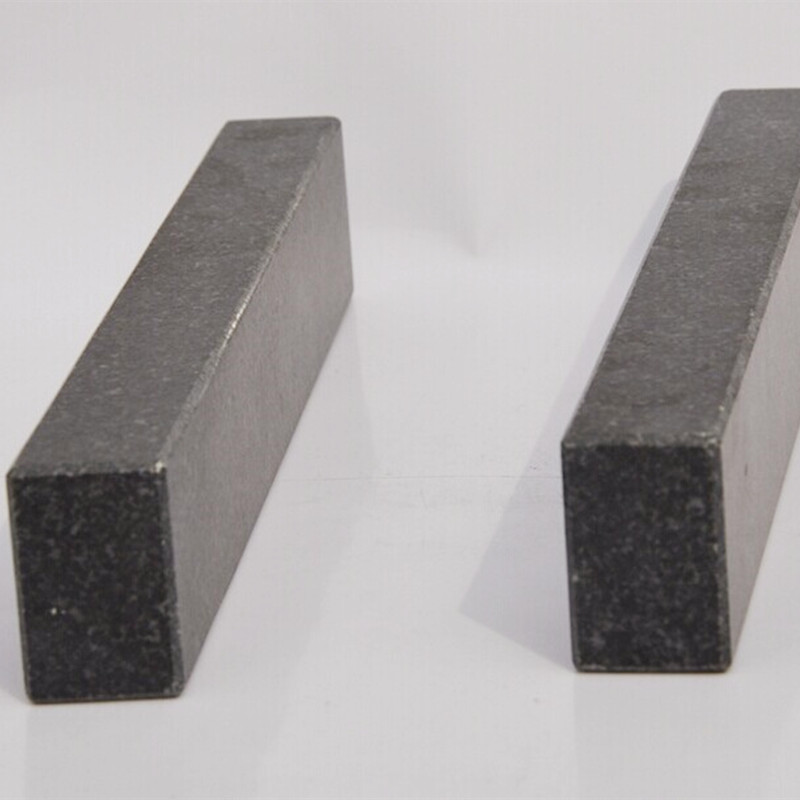
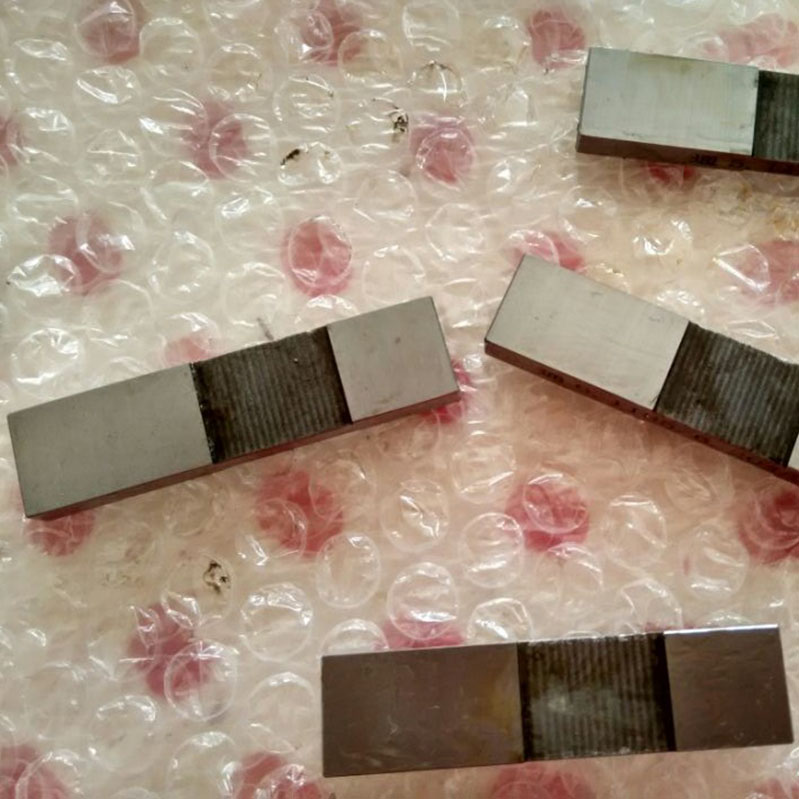
Vee Blocks Available for Purchase – High Quality Options to Choose From
Vee Blocks for Sale An Essential Tool for Precision Machining When it comes to precision machining,

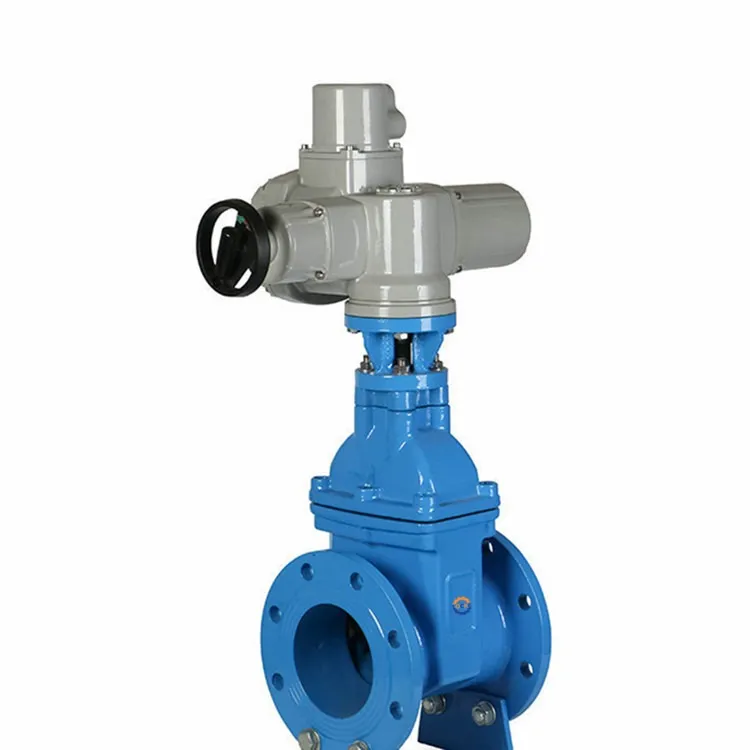
water valve which way is open
Understanding Water Valves Determining the Open Position Water valves play a crucial role in plumbin
 English